
Accessibility: not a chore, but a choice
Digital accessibility is more important than many people think. It's not just about ticking a box on a list. Accessibility ensures that everyone can participate, including people who have difficulty seeing, hearing, or reading.
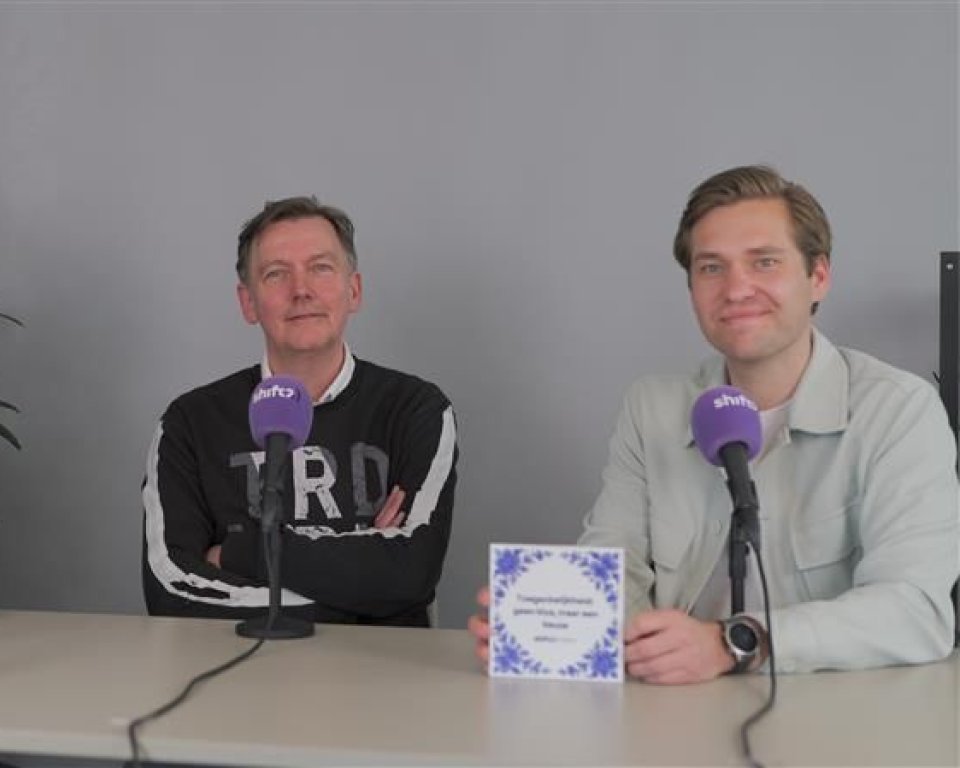
In the Shift2 Podcast, our host Pouyan spoke with two experts: Frits Karskens (accessibility expert at Shift2) and Marijn van der Laan (commercial director at Cardan Technobility). Together, they explain why accessibility should be a permanent fixture in every organization.
What is digital accessibility?
Frits puts it beautifully: "Accessibility is the lubricant of inclusion." That means that everyone should be able to participate, including online. Accessibility is therefore about more than just websites. It's about the right to make independent choices.
Marijn says: "Some people have difficulty using websites, such as the elderly or people with disabilities. They are dependent on help, which is not fair. Everyone should be able to arrange things for themselves."
Three components that contribute to accessibility
Frits says that three things are important:
- Legislation – What are the rules? Consider conducting an accessibility survey and drawing up an accessibility statement.
- Action – What can you do today? Think about registering all your websites and actually taking measures.
- Awareness – Understanding the reasons behind accessibility and continuing to promote it.
You can compare it to sports. The rules ensure that you know what is required. But you also have to actually train and understand why you are doing it. Otherwise, you won't be able to keep it up.
Accessibility is not just a technical task; it's about people. It's about belonging and being able to participate – Frits
Not only for people with disabilities
Many people think that accessibility is only intended for people with visible or physical disabilities. But that is not true. People with dyslexia, the elderly, or people with temporary disabilities also benefit from it.
Frits: "User-friendliness and accessibility are closely related. What works well for people with disabilities also works well for others."
Municipalities can make a difference
The government can set an example. For example, by imposing requirements on suppliers or allocating funds for projects.
Marijn: "Just get started. Put your websites in the registry. Have an investigation done. Appoint someone to be responsible for it. Small steps help."
How to get started with accessibility
Frits and Marijn provide clear tips:
- Make a list of all your websites.
- Conduct a survey and draw up an accessibility statement.
- Appoint someone to take charge of the subject within the organization.
- Get help from experts such as Shift2 or Cardan.
This way, you turn accessibility into something that is not a one-off project, but something that will always remain alive in your organization.
Accessibility is like exercise. If you stop training, you fall behind – Frits
Why collaborate with Shift2 or Cardan?
Frits and Marijn have a wealth of experience. They know what works and what doesn't. They help organizations step by step. No grand plans that disappear into a drawer, but practical help.
Marijn: "We bring knowledge with us. And we also help to retain that knowledge within the organization."
Accessibility is not a chore, but a choice
At the end of the podcast, Marijn received a tile with the text: "Accessibility is not a chore, but a choice."
That says it all. Accessibility is not something you can achieve overnight. It is a conscious choice to improve your services for everyone.
Do you have any questions or would you like to get started? Please contact Shift2 or Cardan at . We are happy to help.
