
Texts at B1 level? Preferably Directly Clear!
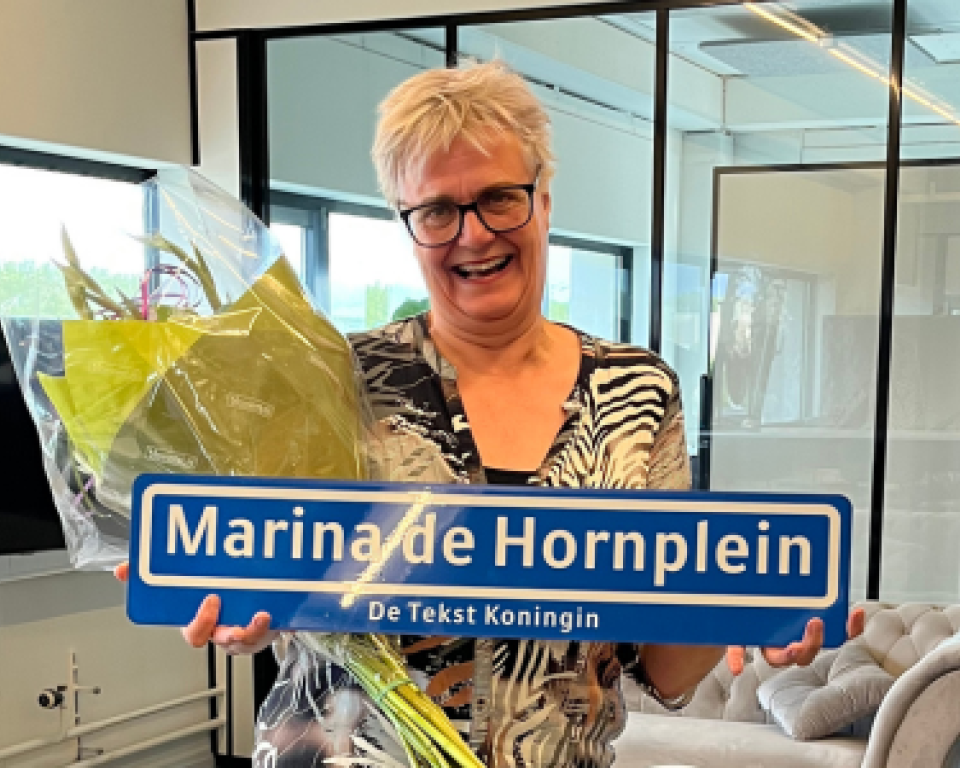
Written by: Marina de Horn (editor-in-chief of the Felix Products and Services Catalog)
We want clear texts. On our website, in our letters. Texts that our readers understand immediately. Texts that are immediately clear. As far as I'm concerned, language level B1 is no longer the be-all and end-all. Sure, it's a good guideline. But a text that scores perfectly on B1 is not necessarily immediately clear. And that's what we want, isn't it?
- You want to go on vacation abroad. And apparently, you need an expensive passport for that. When you apply for one, you simply want to know the steps involved, right?
- When you receive a letter about municipal taxes, you just want to know where you stand, right?
- The same applies to: rent increases, volunteer allowances, benefits, work on your street, elections, subsidy applications, whether or not to build an extension, and so on and so forth.
Clear language is not something that is far removed from everyday life. Language is a big part of everyone's life. So let's not make it complicated. And let's not get stuck with the idea that 'if the text is at B1 level, then it's fine'. Because that's not always the case.
It is a craft
Writing clearly and concisely is a skill. It's a matter of putting in the hours. It's not something you can learn from a one-off afternoon workshop or a single online training course. No jargon. No disjointed, simplistic sentences. Not necessarily a high B1 score.
The trick is to get to the heart of your message quickly. To be clear and concise. Leave out anything superfluous (yes, even that legal basis: banish it to the appendix). By being immediately clear, you also avoid unnecessary operating costs: less aftercare, fewer calls to the KCC, and therefore less strain on your back office.
3 Tips for writing clear language:
- Always keep the reader/recipient of your message in mind. Put yourself in the other person's shoes. Look at things from that perspective.
- The four-eyes principle. Have your colleague read it and ask if they understand what it says.
- Test your message with the target audience.
Can you use some help?
We are happy to help. At Shift2, we advise local authorities on how to continue striving for accessibility in their online services. Would you like to know more? Feel free to contact us. We will be happy to tell you more.


