
The clock is ticking: is your organization ready for the Woo deadline?
Written by Twan Meijerink
The Open Government Act (Woo) is just around the corner, and the clock is ticking inexorably. For many municipalities, water boards, and provinces, this means one thing: take action. The Woo imposes new requirements on the transparency and accessibility of government information, and the deadline for compliance is fast approaching. As of November 1, 2024, the first five categories of information under the Woo must be made public. Is your organization ready for this change, or will it be a race against the clock?

What does the Woo mean for your organization?
The Woo obliges governments to proactively disclose information. This goes beyond the existing Government Information (Public Access) Act (Wob) and requires a different way of working. It calls for a cultural shift towards greater openness and accessibility of information. This means not only that documents must be made available more quickly, but also that they must be presented in an accessible and understandable form.
This is a major step for many municipalities and other government bodies. Implementing the Woo is complex and requires thorough preparation. This includes, for example, organizing archives, digitizing documents, and setting up information management systems.
The deadline is approaching
The deadline for compliance with the Woo has been set, and the time to take action is running out. As of November 1, 2024, the following categories of information must be made public in accordance with the Woo:
- Laws and generally binding regulations (Article 3.3, first paragraph, part a);
- Other decisions of general application (Article 3.3, first paragraph, part b);
- Organization and working methods (Article 3.3, first paragraph, part d);
- Availability data (Article 3.3, first paragraph, part e);
- Meeting documents of the States General (Article 3.3, second paragraph, part b).
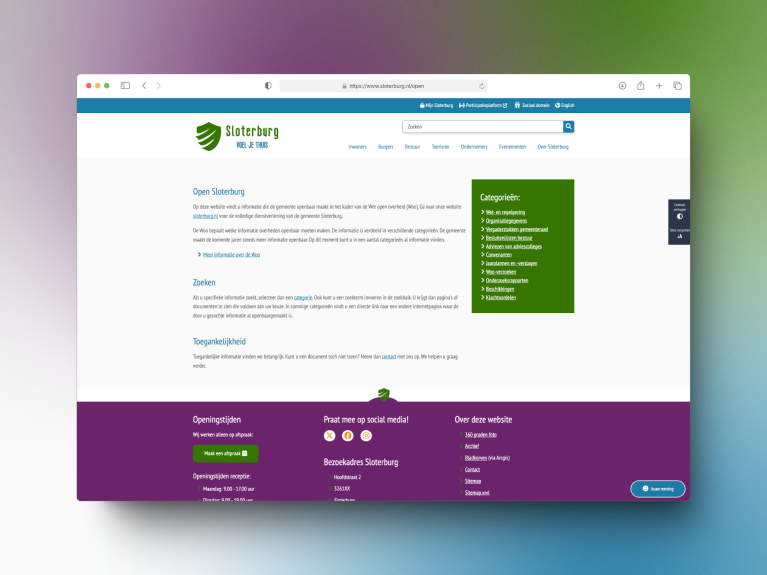
Local governments that do not start preparations now run the risk of having to rush in the final months before the deadline, which can lead to incomplete or careless implementations. This can not only have legal and financial consequences, but also cause damage to their image. A local government that does not comply with the Woo may be seen as non-transparent or even unreliable. This can have a negative impact on the trust of citizens and other stakeholders.
How can your organization prepare?
Fortunately, there is still time to prepare properly. The first step is to map out all the information available within your organization and determine which of this should be made public. This means thoroughly analyzing your information management and setting up a clear plan of action.
An important step in this process is choosing the right tools and systems that can support your organization in implementing the Woo. This is where Shift2 comes in.
We offer an all-in-one platform designed specifically for governments to implement the Woo quickly and efficiently. Our publishing solution provides a structured, accessible way to make information available without overloading your main website.
Conclusion: make sure you are prepared for the Woo
Implementing the Woo may seem challenging, but with the right preparation and support, your organization can make this transition smoothly and on time. By taking action now, you can ensure that your organization is ready for the new legislation and strengthen your residents' confidence in the transparency of your administration.
Are you curious about the implementation of our Woo solution? Download the step-by-step plan below. Would you like to discuss this further, without obligation? Feel free to contact me at twan.meijerink@shift2.nl or +31 (0)6 135 85 057.